

FEATURED PERSPECTIVE
A Physician’s Touch in the World of Hospital Governance
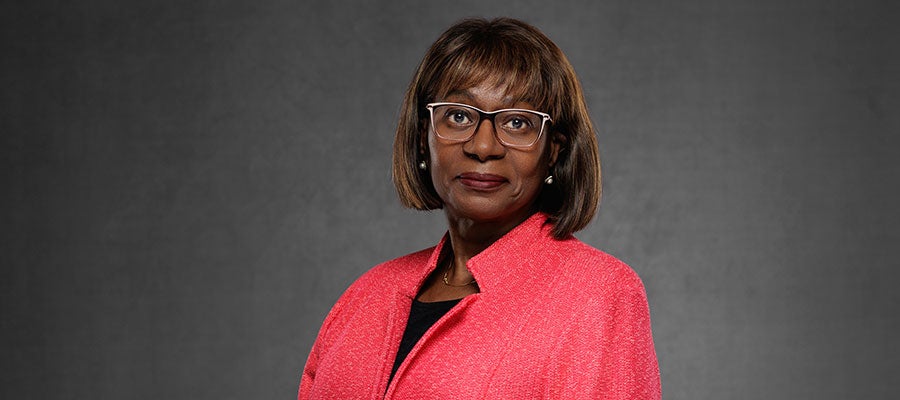
Kathy Garrett, M.D., shares her board experience and the importance of trustee voices in shaping the future of health care
Perspective. Serving as a bridge between different worlds. The ability to reason through complex information to arrive at an evidence-based decision.
These are among the invaluable skills that a practicing physician can offer to hospital and health system boards of every shape and size.
Kathy Garrett, M.D., should know. As the AHA’s 2026 Committee on Governance chair and a practicing radiologist for 31 years, she brings unique insight harvested from direct patient care experience to her leadership role as board director for Orlando Health.
During her long career dedicated to advancing patient care, clinical excellence and organizational integrity, Garrett has worked across a spectrum of diagnostic and interventional disciplines, collaborating closely with multidisciplinary teams to improve patient outcomes.
Beyond her clinical practice, Garrett has served for many years as a board member for Orlando Health, contributing to governance, strategic planning and quality oversight. Along the way, she honed a passion for fostering collaboration between clinicians and administrators to drive improvements in patient care and system performance.
“As a physician, I think what I bring to the board really starts with perspective. That experience helps me keep the patient and the caregiver at the center of every conversation,” says Garrett.
In governance, as in medicine, situations often arise where there isn’t a perfect answer. And that is where Garrett’s talent for asking probing questions about how strategic or financial choices will play out in real clinical settings, or how they might impact the people delivering care every day, makes all the difference.
“I see myself as a bridge between the board and the medical staff,” Garrett reflects. “When physicians and trustees understand each other’s perspectives, it builds trust and alignment, and that’s when really meaningful progress happens.”
In today’s challenging health care climate, board members recognize the importance of advocacy on such issues as workforce shortages, financial pressures and regulatory complexity.
Garrett believes that advocacy is an extension of governance. Trustees have a powerful voice in helping policymakers and communities understand what’s really at stake in terms of access, quality and sustainability in health care. They can help tell the story of what these challenges mean for patients, families and caregivers in very real terms — personalizing the impact of policy decisions.
“Advocacy doesn’t always mean being in Washington or the state capital. It can mean having conversations in your own community, building relationships,” she says.
Please note that the views of interviewees do not always reflect the views of the AHA. This interview was edited for length and clarity.