

AHA urges Department of Commerce to enact tariff exceptions for critical minerals used in medical devices
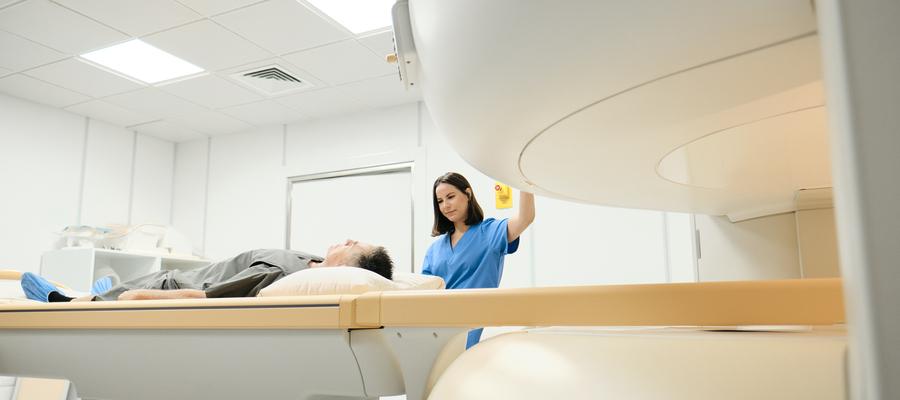
The AHA May 16 urged the Department of Commerce to consider tariff exceptions for critical minerals and derivative products used for medical purposes. Critical minerals have many medical uses, such as for magnetic resonance imaging, computerized tomography, positron emission tomography, radiopharmaceuticals and radiation therapy equipment.
“Tariffs on critical minerals could have a particularly significant impact on complex medical devices that are higher cost and lower volume, in part due to requiring specialized parts and customization to meet the needs of health care providers,” the AHA wrote. “A recent survey found that 82% of health care experts expect tariff-related expenses to raise hospital costs by at least 15%, and 90% of supply chain professionals expect procurement disruptions. Given that hospital payments are set by government and private payer contracts, the costs would be borne by hospitals directly.”